
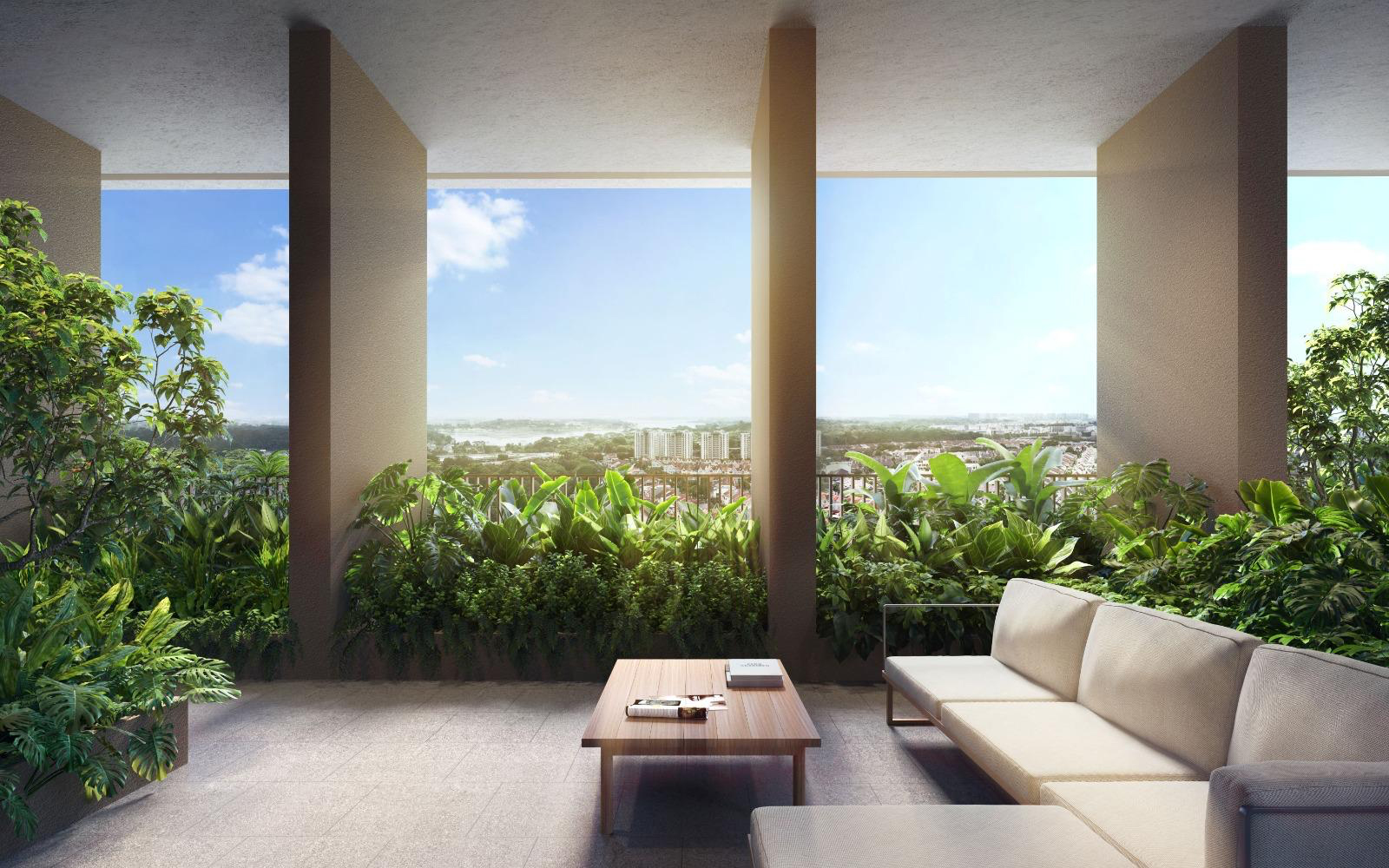
In the heart of the 22nd century, the towns of Penridge and River Modern emerge as a beacon of urban innovation, where the hum of AI-driven infrastructure harmonizes with the rustle of rewilded forests and the vibrant pulse of a reawakened cultural scene. Once a patchwork of aging industrial zones and fragmented green spaces, this region now stands as a living laboratory for what cities can become when humanity dares to reimagine its relationship with technology, ecology, and community.
Smart Infrastructure
Penridge and River Modern’s transformation begins with its bones—literally. The cityscape is now a tapestry of adaptive architecture: buildings with solar-reactive glass facades that shift transparency based on weather, streets embedded with sensors that monitor air quality and adjust traffic flow in real-time, and an underground network of geothermal pipes heating and cooling neighborhoods sustainably.
At the heart of this system is the Neural Urban Grid, an AI overseer that optimizes energy use, predicts infrastructure wear, and even coordinates with residents through personalized digital twins (virtual 3D models of their neighborhoods). Autonomous transport is no longer a futuristic convenience but a lifeline: electric shuttles glide silently along canals, while drone corridors deliver medical supplies and groceries. The most striking innovation? The Hydroponic Bridge, a pedestrian walkway lined with edible plants and algae panels that generate biofuels, symbolizing the city’s ethos: every surface serves a purpose.
Yet, this tech-driven metamorphosis isn’t about cold efficiency. Community hubs powered by renewable energy double as co-working spaces and disaster resilience centers. Even the city’s data is democratized—residents can access AI-generated summaries of municipal decisions, fostering trust and participation. Here, smart infrastructure isn’t just a tool; it’s a collaborator in building a more equitable and responsive city.
Ecological Regeneration
The River Modern, once sullied by decades of pollution, now flows clear and teeming with life. An ambitious Blue Corridor Project restored its wetlands, connecting the river to a network of urban lakes and green roofs that act as natural sponges during storms. Along its banks, a Greenwalk weaves through native forests and floating gardens, where citizens gather to birdwatch, meditate under bioluminescent trees, or join citizen science initiatives to track biodiversity.
Penridge’s industrial past has been reinterpreted through the lens of ecological redemption. Former factory sites now host Urban Microforests—high-density clusters of trees and pollinator-friendly plants that sequester carbon and cool the air. The city’s “breathing walls” (living moss panels) absorb pollutants, while permeable stone paths mimic natural drainage. Even the infrastructure itself is alive: kinetic tiles underfoot in plazas generate electricity, and rainwater harvesting systems sustain the city’s vertical farms.
Cultural Renaissance
Technology and ecology, while transformative, are the skeleton and skin of a city. Its soul lies in its culture—and Penridge and River Modern are now a crucible of creative rebirth. The once-neglected historic districts have been revitalized as Cultural Mosaics, where augmented reality (AR) windows overlay historical narratives onto street scenes, inviting residents and visitors to time-travel through the town’s past.
Challenges and Ethical Considerations
For all its promise, Penridge and River Modern’s transformation is not without shadows. The digital divide remains a reality: while the Neural Urban Grid benefits most, isolated communities without tech literacy risk being left behind. Displacement looms as smart homes and green developments drive up property values, threatening the very residents whose culture gave the city its character.
Data privacy is another tightrope. To address this, Penridge has pioneered Ethical Governance Circles—community coalitions that audit algorithms and vote on digital policies. Affordable housing quotas, rent stabilization, and universal tech training programs aim to prevent gentrification, but the work is ongoing.
Conclusion:
Penridge and River Modern’s journey is more than a local story—it’s a blueprint for a world grappling with climate collapse, technological displacement, and cultural fragmentation. Here, the future isn’t a monolith of glass and code but a symphony of interdependent systems: nature as infrastructure, culture as connection, and ethics as the compass.


